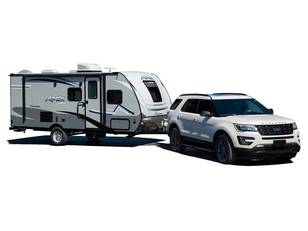
A travel trailer offers the incredible freedom to take a home-away-from-home wherever you go, but towing a large unit behind your vehicle requires extra care and preparation. Whether you are a seasoned road tripper or a beginner hitting the highway for the first time, mastering the fundamentals of trailer handling is crucial to keeping your family and other motorists safe.
If you are new to the towing lifestyle, we highly recommend practicing basic maneuvers—like tight turning, gradual braking, reversing, and parking—in a large, empty parking lot before embarking on a long trip.
To help you enjoy a confident and stress-free drive this season, our team at Sumner RV has compiled the ultimate road safety checklist!
1. Synchronize Your Braking with a Brake Controller
When towing a travel trailer, your tow vehicle carries the immense burden of bringing the entire weight of your rig to a complete halt. This places massive strain on your factory brakes and can compromise your stopping distance.
-
Tandem Braking: Installing a high-quality trailer brake controller links your RV’s braking system directly to your tow vehicle’s pedal.
-
Smoother Control: This allows both vehicles to slow down simultaneously, easing stress on your truck’s components and preventing dangerous trailer swaying or jackknifing during sudden stops.
2. Track Real-Time Tire Status with a TPMS
Proper tire inflation is one of the most critical elements of highway safety, yet manually checking your tires is only possible when you are fully stopped.
-
Prevent Blowouts: Under-inflated or over-inflated tires cause uneven tread wear and poor traction, which drastically increases the risk of a high-speed tire blowout.
-
Instant Alerts: Equipping your rig with a Tire Pressure Monitoring System (TPMS) gives you real-time data directly on your dashboard. You’ll get immediate visibility into tire pressure fluctuations and temperature changes, allowing you to catch hidden leaks or irregularities before they turn into emergencies.
3. Build a Dedicated Roadside Emergency Toolkit
No matter how carefully you prepare, unexpected mechanical issues or flat tires can happen on remote stretches of road. Staying proactive keeps a minor setback from ruining your trip.
-
Essential Gear: Always carry a heavy-duty roadside toolkit complete with proper vehicle jacks, a fully inflated spare tire, a lug wrench, and foundational hand tools.
-
Save Time and Money: While complex issues will ultimately require professional service, having the tools to handle minor DIY patches can get your rig securely down the road to the nearest authorized technician.
4. Know Before You Go: Proactive Weather Monitoring
The added size and weight profile of a travel trailer changes how your vehicle handles crosswinds and slick roads.
-
Pre-Route Check: Check local and regional weather forecasts for your entire route before hitching up.
-
Avoid High Winds: If your route predicts severe storms, heavy downpours, or extreme crosswinds, consider adjusting your departure time or choosing an alternative path.
-
Safety Over Speed: If bad weather surprises you while driving, never try to power through. Pull off safely at the nearest rest stop or campground—your structural safety always comes first.
Find Your Next Rig at Sumner RV
We hope these practical safety strategies keep you moving confidently along the highway this winter! If you are shopping for a new camper or need assistance configuring your towing accessories, the sales team at Sumner RV is here to assist.
We feature a fantastic selection of top-tier RVs, including rugged Outdoor RVs, at Sumner RV Center. We are incredibly proud to serve our local communities across Sumner, Bremerton, Seattle, and Silverdale, Washington. Stop by our lot or visit us online to explore our active inventory today!
